
HOME
>
share
>
others
>
6 FAQs About IVF and Surrogacy in the U.S.: IVF After 40, Egg Donation, Sperm DFI, Surrogate Selection, and U.S. Policies
2026/10/22
others
6 FAQs About IVF and Surrogacy in the U.S.: IVF After 40, Egg Donation, Sperm DFI, Surrogate Selection, and U.S. Policies
Should women over 40 continue with their own eggs or consider donor eggs? Why is male DFI testing important? How do you choose a suitable gestational surrogate in the United States?
On October 11, 2026, RSMC President Dr. David Harari and his medical team addressed six common questions during an online seminar, covering fertility evaluation, IVF preparation, surrogate selection, and U.S. surrogacy planning.
Visit the RSMC events page to learn about upcoming online seminars.

Q1: After age 40, should I use my own eggs or donor eggs? Should I carry the pregnancy or consider surrogacy? Where should I undergo egg retrieval?
Own eggs or donor eggs: Egg quantity and quality generally decline with age. Your doctor can evaluate ovarian reserve, previous treatment outcomes, and embryo development to help determine whether to continue with your own eggs or consider egg donation.
Carrying a pregnancy or surrogacy: The decision depends on several factors, including uterine health, overall medical conditions, and potential pregnancy risks.
Gestational surrogacy may be an option for individuals who cannot safely carry a pregnancy or have other medical indications. Eligibility also depends on applicable state laws and individual circumstances. Medical and legal consultations are essential before proceeding.
Egg retrieval in Taiwan or the U.S.: Your decision may depend on timing, cost, and treatment needs. Some families complete egg retrieval and embryo culture in Taiwan before arranging for frozen embryos to be transported to the United States for further treatment. RSMC can help assess medical requirements, laboratory compatibility, and international embryo transportation arrangements. Single women may also explore donor sperm, subject to applicable regulations.
Q2: Why does RSMC emphasize male DFI testing?
DFI (DNA Fragmentation Index) measures the extent of DNA damage in sperm. Age and other health factors may affect the results.
Abnormal DFI may be associated with embryo development, miscarriage risk, and fertility outcomes. Depending on individual circumstances, a doctor may recommend DFI testing alongside other semen analyses.
How can DFI be improved? Recommended lifestyle measures include quitting smoking, avoiding excessive alcohol and heat exposure, exercising regularly, and getting sufficient sleep. A doctor may also assess whether CoQ10, zinc, or antioxidant supplements are appropriate. Because sperm production takes several months, follow-up testing may be recommended after lifestyle changes.
Q3: How should couples prepare their eggs and sperm before IVF?
The two to three months before IVF treatment provide an opportunity to improve overall health and address factors that may affect fertility.
-
Balanced nutrition and regular routines: Maintain a balanced diet with adequate protein and essential nutrients. Prioritize regular sleep, avoid smoking, and limit alcohol consumption.
-
Stress management: Exercise moderately, relax, and develop sustainable daily habits.
-
Nutritional support: Women may consider prenatal vitamins and other nutrients recommended by their doctors. Men may discuss CoQ10, zinc, and antioxidant nutrients based on their individual needs. Supplements cannot guarantee better egg or sperm quality or higher success rates.
Q4: What are common misconceptions about choosing a gestational surrogate in the U.S.?
Myth 1: Does a surrogate's ethnicity affect the baby's genes?
No. In gestational surrogacy, the surrogate carries an embryo created using eggs and sperm from the intended parents or donors. The surrogate does not contribute genetic material to the embryo. The baby’s inherited genetic characteristics come from the egg and sperm providers.
Myth 2: Is a younger surrogate always better?
Not necessarily. Age is only one consideration. RSMC evaluates candidates based on factors such as age, pregnancy history, physical health, and psychological assessment.
Myth 3: Are women with a previous C-section ineligible to become surrogates?
Not necessarily. Eligibility depends on the number of previous C-sections, surgical history, recovery, and individual medical assessment. A previous C-section alone cannot guarantee a particular delivery method or schedule.
Before presenting surrogate profiles, RSMC conducts relevant health, reproductive-history, and psychological evaluations to help intended parents understand each candidate's qualifications.
Q5: Could Trump administration policies and state laws affect U.S. surrogacy?
U.S. citizenship and travel documents
Executive orders, court rulings, and passport requirements concerning birthright citizenship may affect documentation procedures for some families. A baby born in the United States should have their citizenship status and travel-document eligibility confirmed under the laws applicable to their specific circumstances. Previous cases should not be treated as a guarantee of future outcomes.
RSMC says its team monitors relevant policy developments and legal proceedings to help clients understand current documentation requirements. Families should consult qualified U.S. immigration or nationality counsel for case-specific advice.
State-specific surrogacy laws
Surrogacy laws vary across the United States. Different states may have different requirements concerning gestational surrogacy agreements, parentage orders, intended-parent eligibility, and legal procedures. Requirements in states such as Florida and Texas may affect surrogate selection and legal procedures for certain families.
RSMC evaluates each client's passport, family structure, and individual circumstances to help identify suitable state options and legal arrangements.
Q6: What makes RSMC's integrated surrogacy services different?
RSMC integrates fertility treatment and surrogacy planning through three key service areas:
-
Fertility treatment and embryo testing: Services include ovarian stimulation, egg retrieval, fertilization, embryo culture, and PGT-A chromosomal screening.
-
Surrogate screening and matching: Candidates are evaluated based on health, reproductive history, and psychological assessments to help intended parents make informed decisions.
-
Legal and return-home planning: Assistance includes surrogacy agreements, parentage proceedings, and arrangements for the baby's documents and international travel after birth.
From medical evaluation and embryo transportation to surrogate matching and post-birth arrangements, RSMC aims to coordinate each stage and help families understand the process and requirements.
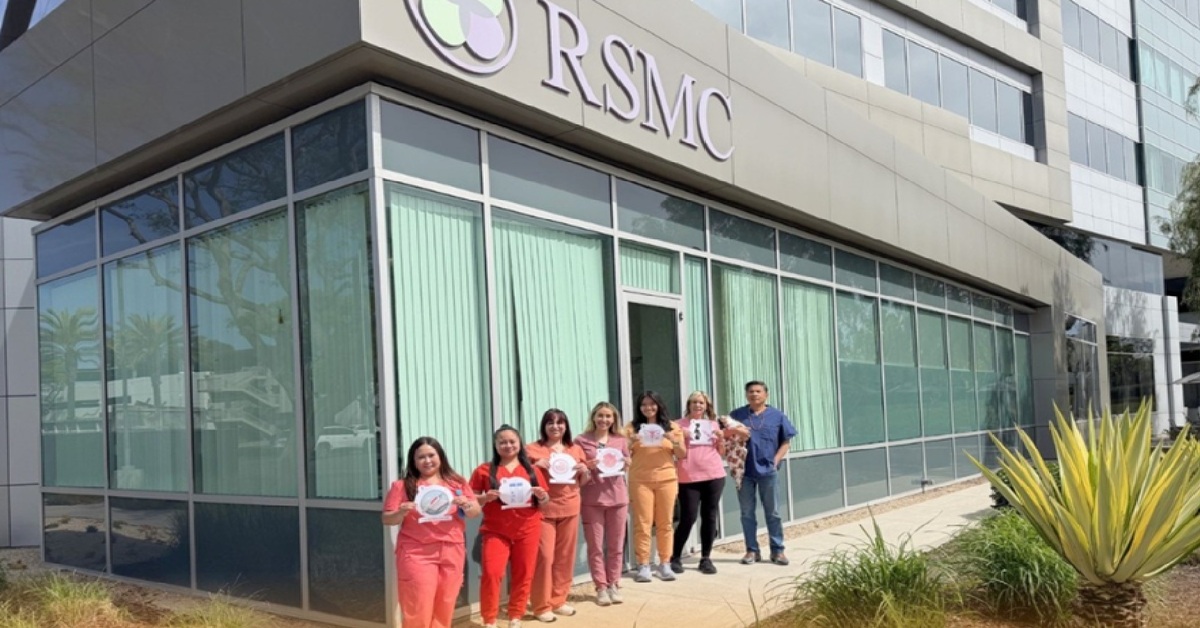
Every family has different medical circumstances and fertility goals. A professional medical evaluation is the first step toward identifying an appropriate treatment plan.
Contact RSMC
LINE / WeChat: rsmctw
WhatsApp: +1 858-342-6046
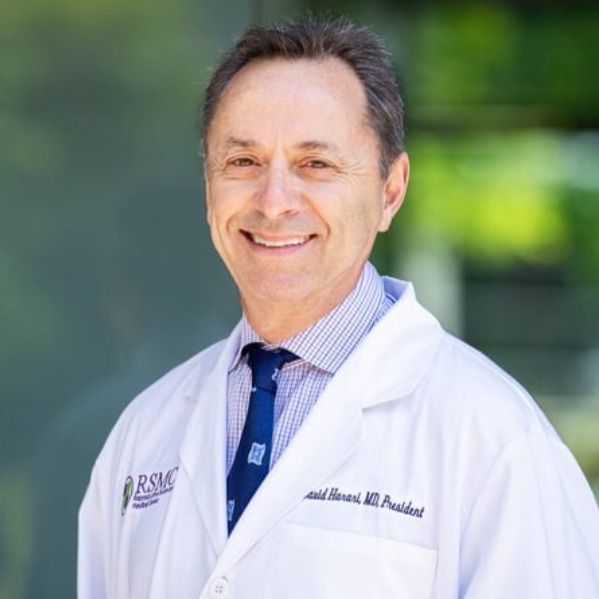
Physician Information
DR. DAVID HARARI | Medical Director & President of RSMC Medical Group
Dr. David Harari earned his medical degree from the University of Georgia Medical Center. He completed his internship at the Medical College of Georgia and subsequently underwent residency training at Mercy Hospital Medical Center. With over 30 years of clinical experience, Dr. Harari currently serves as the President of the San Diego Obstetrical and Gynecological Society, an association with more than 400 professional OB-GYN physician members.
In his practice, Dr. Harari places great emphasis on respecting each patient's individual preferences and providing them with the most professional treatment plans. He works collaboratively with his patients to help them achieve their goals. Dr. Harari strongly believes in the importance of clear communication and understanding between doctor and patient. He is always willing to share his extensive medical experience and offer the most professional medical advice.
About Dr. David Harari
Other
-
 2025/03/13others
Can Vitiligo Be Cured With Reproductive Technology?
-
 2025/02/24others
What are the reasons behind failed blastocyst culture?
-
 2024/11/20others
A Must-Read for Expectant Mothers: All About Down Syndrome Screening!